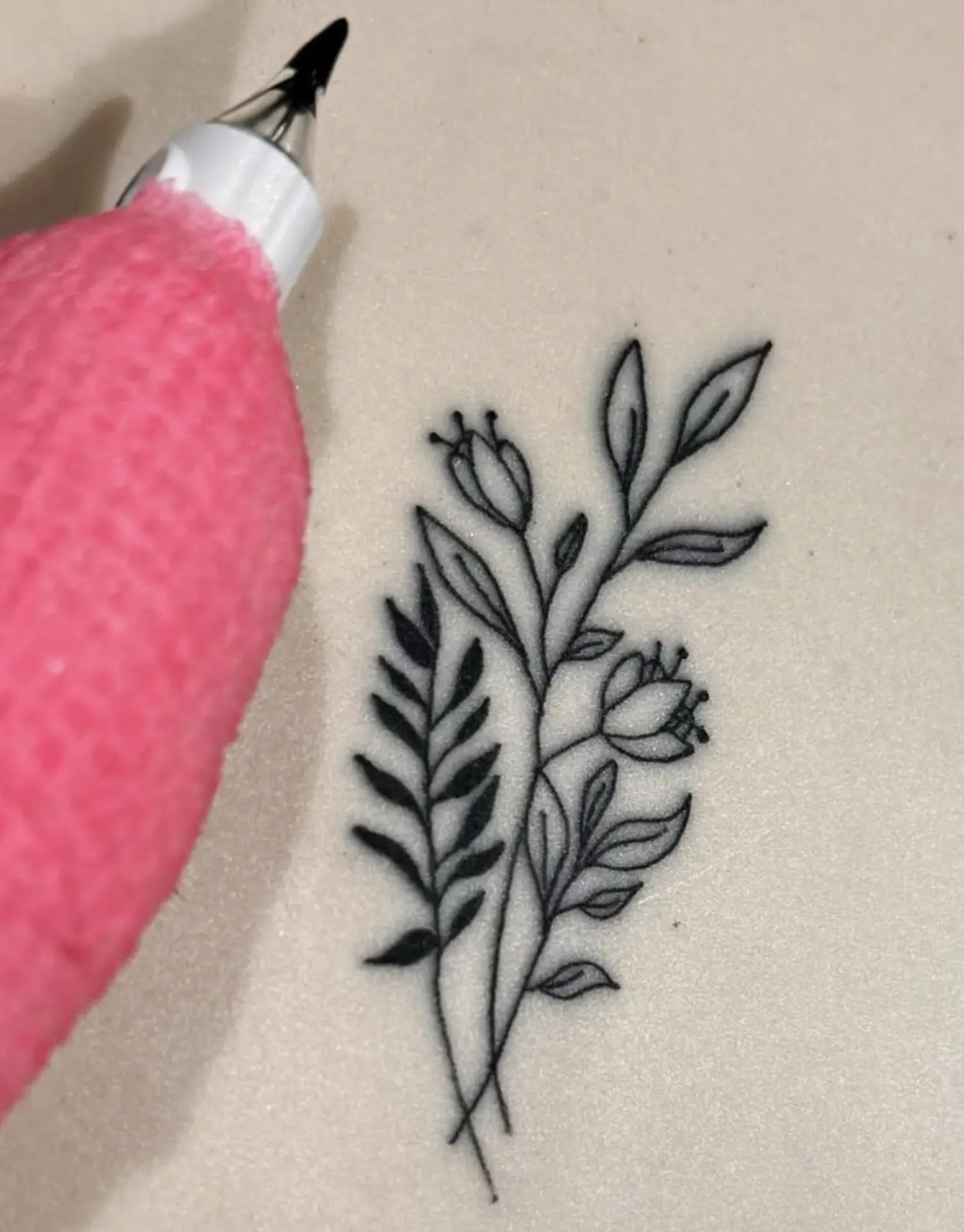
Ever looked at a healed tattoo and thought, “Those lines used to be finer”? You’re not imagining it. As a professional tattoo artist in Melbourne and owner of Cosmetic Tattoo Studio Melbourne Face Figurati, I’ve seen how the healing process, skin type and lifestyle habits (like sun exposure) all play a role in whether your once crisp black linework turns into thick lines over time. In this guide, I’ll break down why tattoo lines thicken, what the tattoo industry knows about preventing it and how to keep your tattoo looking fresh for years. Whether you’re into bold body art or exploring cosmetic tattooing Melbourne trends, this is a must-read.
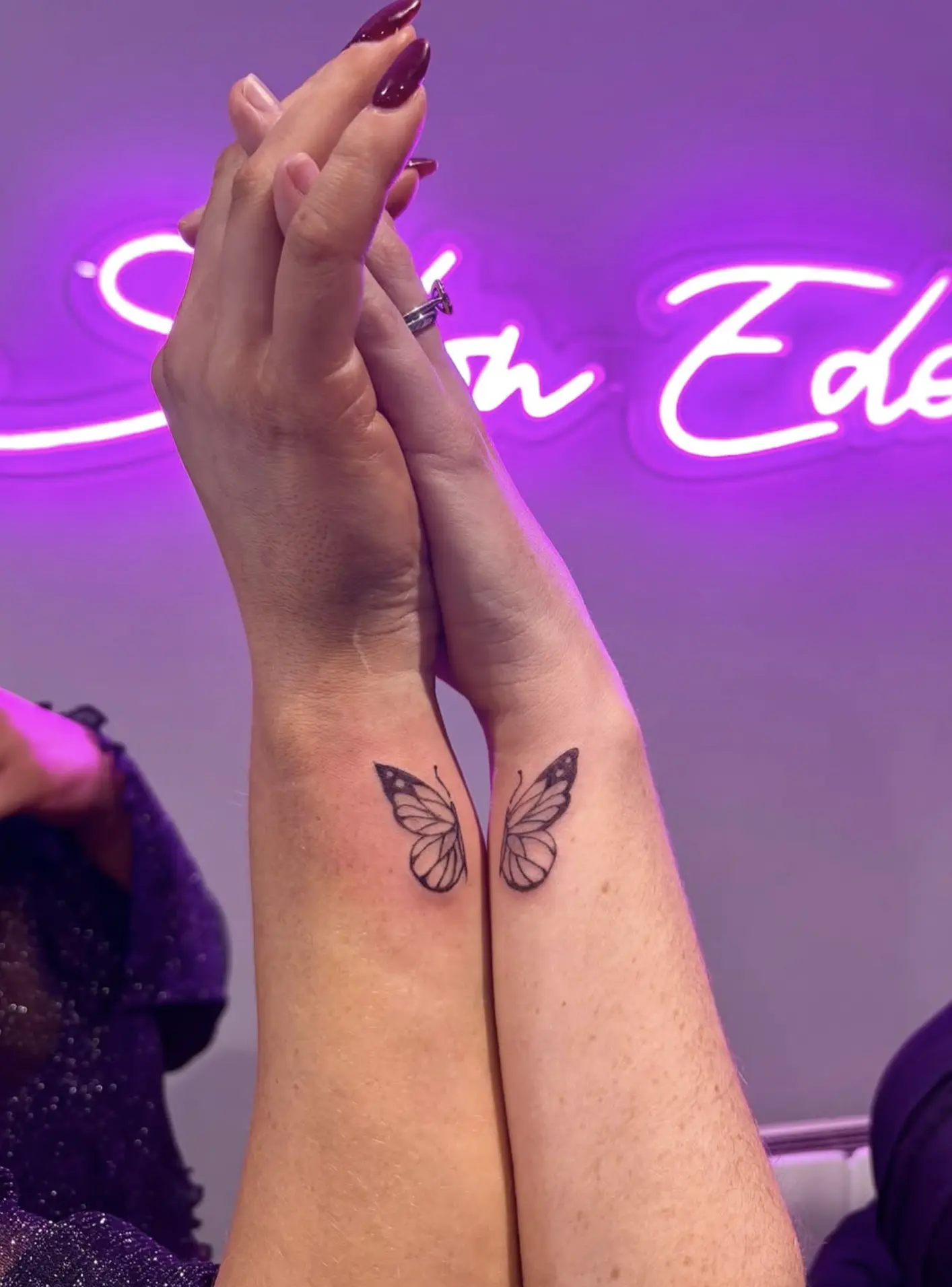
Contents
- 1 Healing Process: The First Step Towards Thicker Lines
- 2 Skin Type and How It Affects Line Weight
- 3 Tattoo Placement and Movement
- 4 Pigment Quality and Equipment
- 5 Tattoo Blowouts and How to Prevent Them
- 6 Sun Exposure: The Biggest External Factor
- 7 Tattoo Aftercare and Healing Guide
- 8 Table: Key Factors in Tattoo Line Thickening
- 9 Real Studio Story: Old Work Restoration
- 10 Olha Po’s Final Thoughts
- 11 FAQ
Healing Process: The First Step Towards Thicker Lines
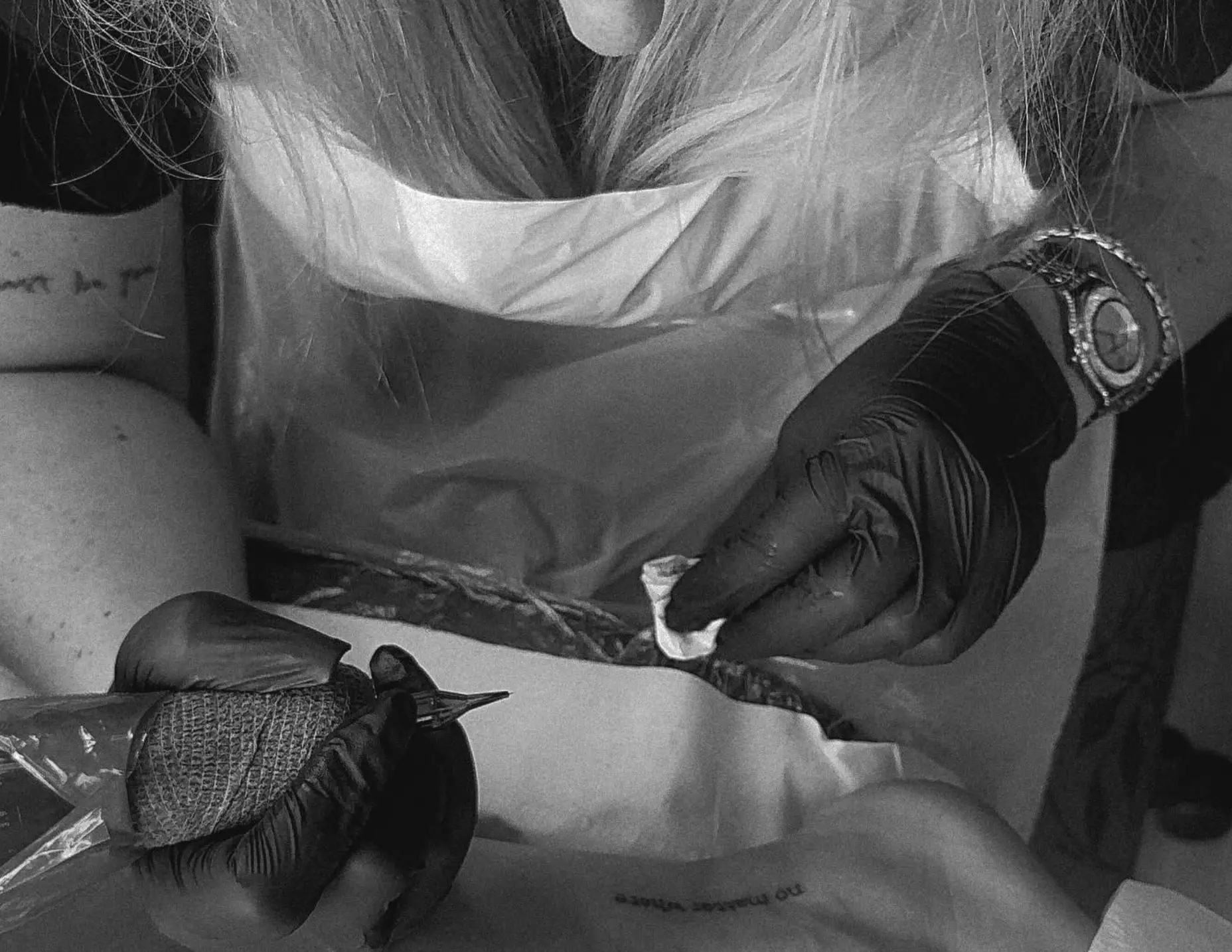
When a tattoo machine deposits ink into your skin layers, your immune system jumps in. White blood cells start repairing the skin cells, and swelling can make lines appear thicker. Overworked skin or improper needle depth can cause tattoo blowouts where pigment spreads under the skin.
Professional Advice: At Cosmetic Tattoo Studio Melbourne Face Figurati, we use precise needle groupings – whether a round shader needle for bold work or a magnum needle for shading – to avoid unnecessary trauma, especially in cosmetic tattooing procedures.
Skin Type and How It Affects Line Weight
Different skin types react differently to tattooing. Oily skin can push pigment outward, making fine line tattoos look softer. Dry skin or poor skin hydration can cause patchy healing. Thinner skin layers in areas with little fat support can cause more fluctuation in line weight.
Tattoo Placement and Movement
Body temperature changes, weather conditions and movement can cause pigment spread. High-motion areas like fingers, elbows, or spots frequently exposed to UV rays tend to experience faster blurring.
Pigment Quality and Equipment
Using low-grade pigment or erasable tattoo ink increases the risk of fading and thickening. In my cosmetic tattoo studio, I use certified pigments and disposable supplies to ensure safety and lasting results. Needle configuration, width and depth fluctuation also matter for controlling line sharpness.
Tattoo Blowouts and How to Prevent Them
An ink blowout occurs when the needle depth is too deep or fluctuates during the procedure. This can happen in mini inscriptions, big impact designs, white tattoos or old school tattoo work if not handled with care. Practising on practice skin helps new artists get a feel for depth control.
Sun Exposure: The Biggest External Factor
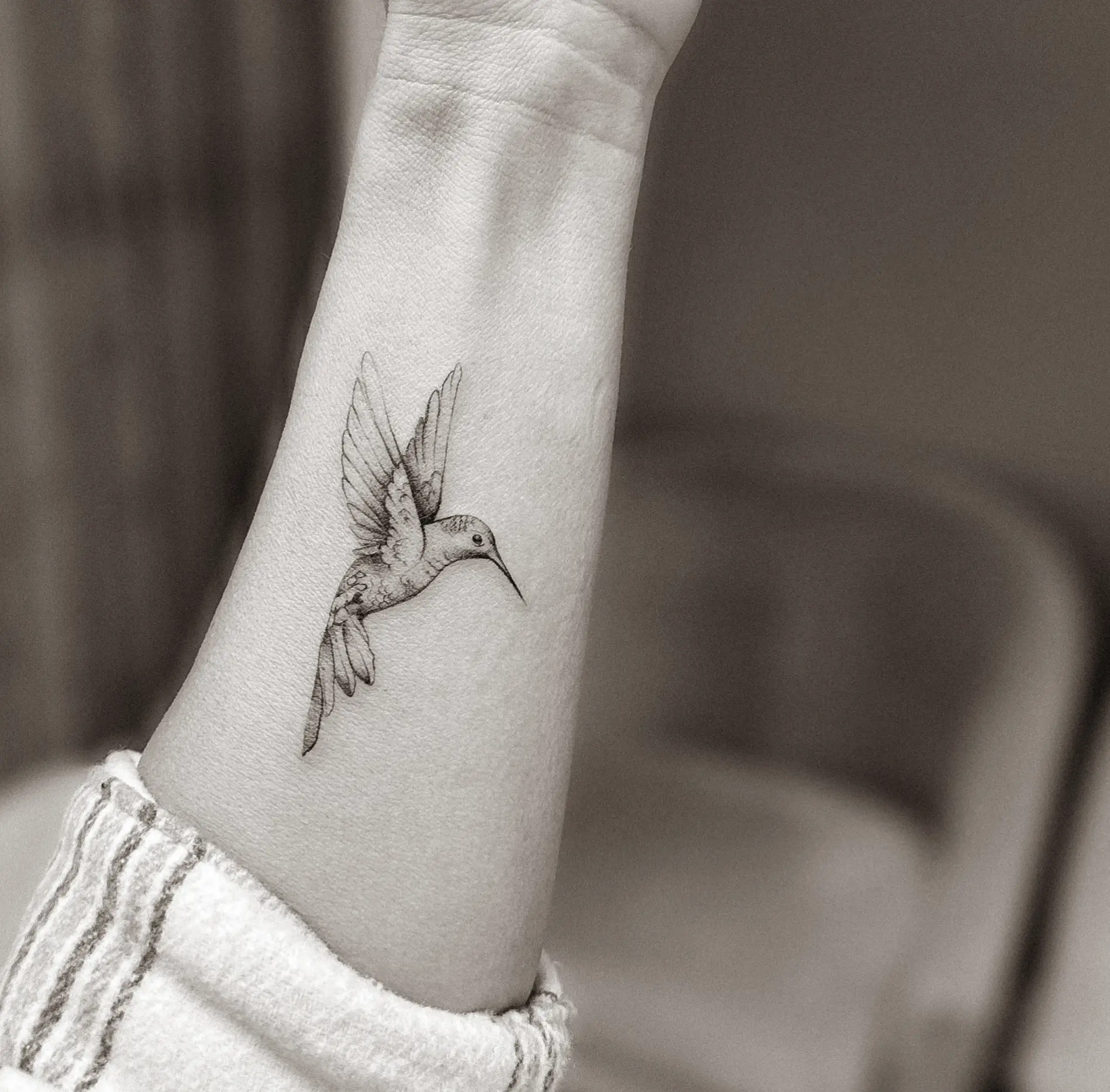
Ultraviolet rays break down tattoo ink and damage skin cells, causing thick lines and faded colour. Tattooed people should treat sunscreen like a daily tattoo aftercare must-have.
Tattoo Aftercare and Healing Guide
Proper aftercare with a topical ointment prevents infection and supports clean healing. Don’t scratch or soak the area, and keep it out of direct sun during healing. At Cosmetic Tattoo Studio Melbourne Face Figurati, we give every client a personalised aftercare plan, whether you’re here for bold body art or subtle cosmetic tattooing treatments in Melbourne.
Table: Key Factors in Tattoo Line Thickening
| Factor | Effect | Prevention |
|---|---|---|
| Healing trauma | Ink blowout, thick lines | Skilled technique, stable needle depth |
| Skin type | Diffusion or patchy healing | Adjust technique for skin type |
| Sun exposure | Fading, blurring | SPF, cover up |
| Low-quality ink | Early fading | Professional-grade tattoo ink |
| Ageing | Softer lines | Regular touch-up |
Real Studio Story: Old Work Restoration
A client came in for a cover-up on a fine line tattoo from 5 years ago that had thickened from UV rays and ageing skin. I used my tattoo machine and strategic shading to restore the design while keeping the original art intact.
Olha Po’s Final Thoughts
Tattoo lines thicken because skin is a living canvas — it’s constantly changing with age, sun and the body’s healing response. By choosing an experienced tattoo artist, following a solid healing guide and protecting your ink, you can keep your designs – from fine line tattoos to old school classics – looking bold and beautiful for years. At Cosmetic Tattoo Studio Melbourne Face Figurati, we combine artistry and precision to give our clients the best possible tattoo experience, whether for timeless body art or refined cosmetic tattooing in Melbourne.
FAQ
What causes thick lines in healed tattoos?
Skin layer changes, needle depth issues and lifestyle factors like sun exposure.
Can tattoo blowouts be fixed?
Yes, often with a touch-up or a cover-up.
Do all skin types hold ink the same?
No — skin types vary, healing and pigment retention differ.
Does the type of needle matter?
Yes — needle width, configuration and depth control are key to crisp lines.
How can I keep my tattoos sharp?
Follow tattoo aftercare, avoid UV rays and book regular touch-ups.