The Manta Ray Calendar: When To Swim with the Giants at Lady Elliot Island – this is your no-nonsense guide to picking the right month, not just flipping a coin and hoping you’ll get lucky and see a big manta wing flutter past. I’m Paul, and I’ve sent hundreds of travel-weary souls to Lady Elliot Island over the years & the ones who bothered to check the reef seasonality always seem to leave with the biggest grins on their faces.
Here’s the simple truth: reef mantas call this place home all year round, but if you want the best chance of spotting a few of these big guys, May to August is your best bet – cool water brings more plankton, plankton brings mantas, and the cleaning stations get buzzing – that’s the basic chain of events.
Now lets really break it down so you can start planning like a pro who’s done their homework.
Contents
- 1 Why This Coral Cay Is A Real Standout
- 2 Seasonal Windows that Help You Catch a Manta Ray
- 3 What It Feels Like to Be In The Water
- 4 Snorkelling, Scuba Diving and Night Dives
- 5 Staying On The Island: Practical, Not Flashy
- 6 The Unpredictable Delights of Lady Elliot
- 7 What Sets This Southern Reef Stay Apart From The Rest
- 8 Why Luck Can Play a Part
- 9 Responsible Interactions with Mantas
- 10 Travel Tips & Tricks
- 11 Plan Your Visit with a Purpose, Not Guesswork
- 12 FAQ
Why This Coral Cay Is A Real Standout
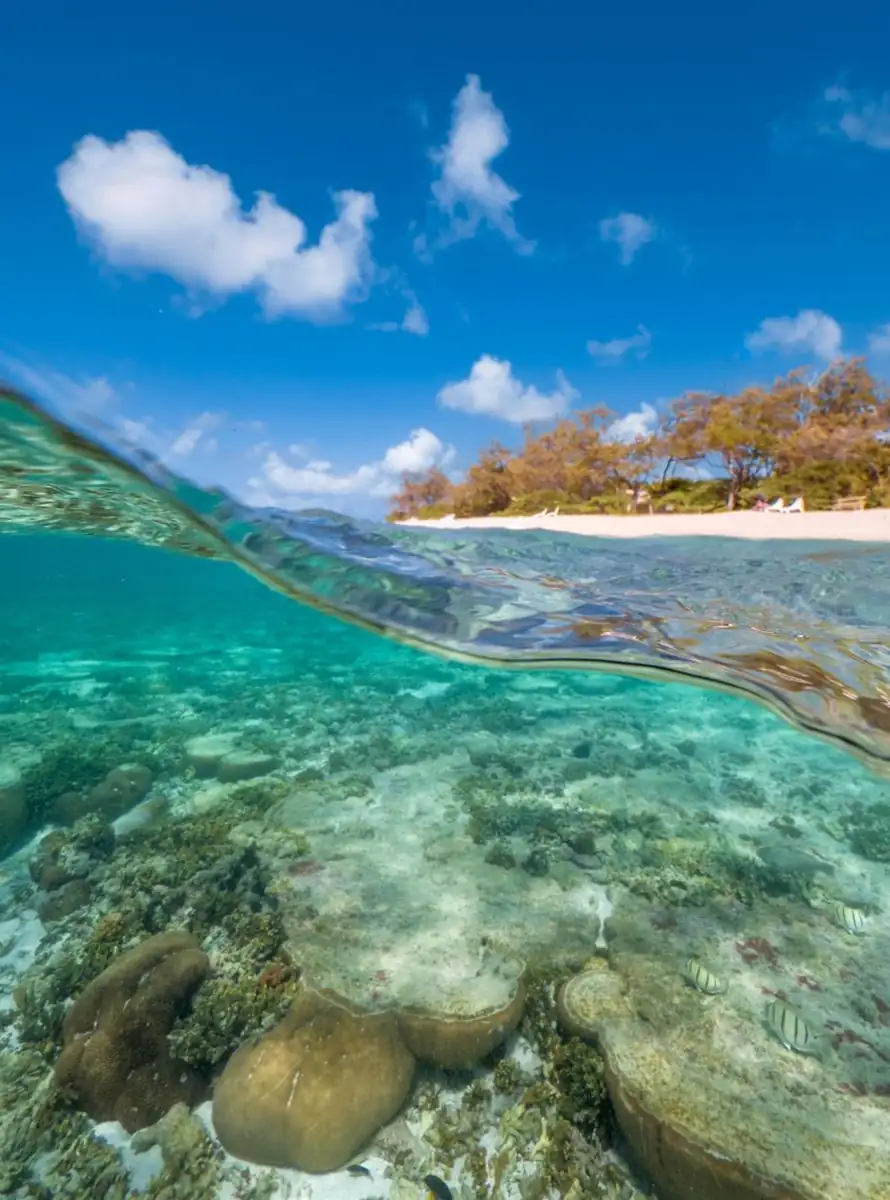
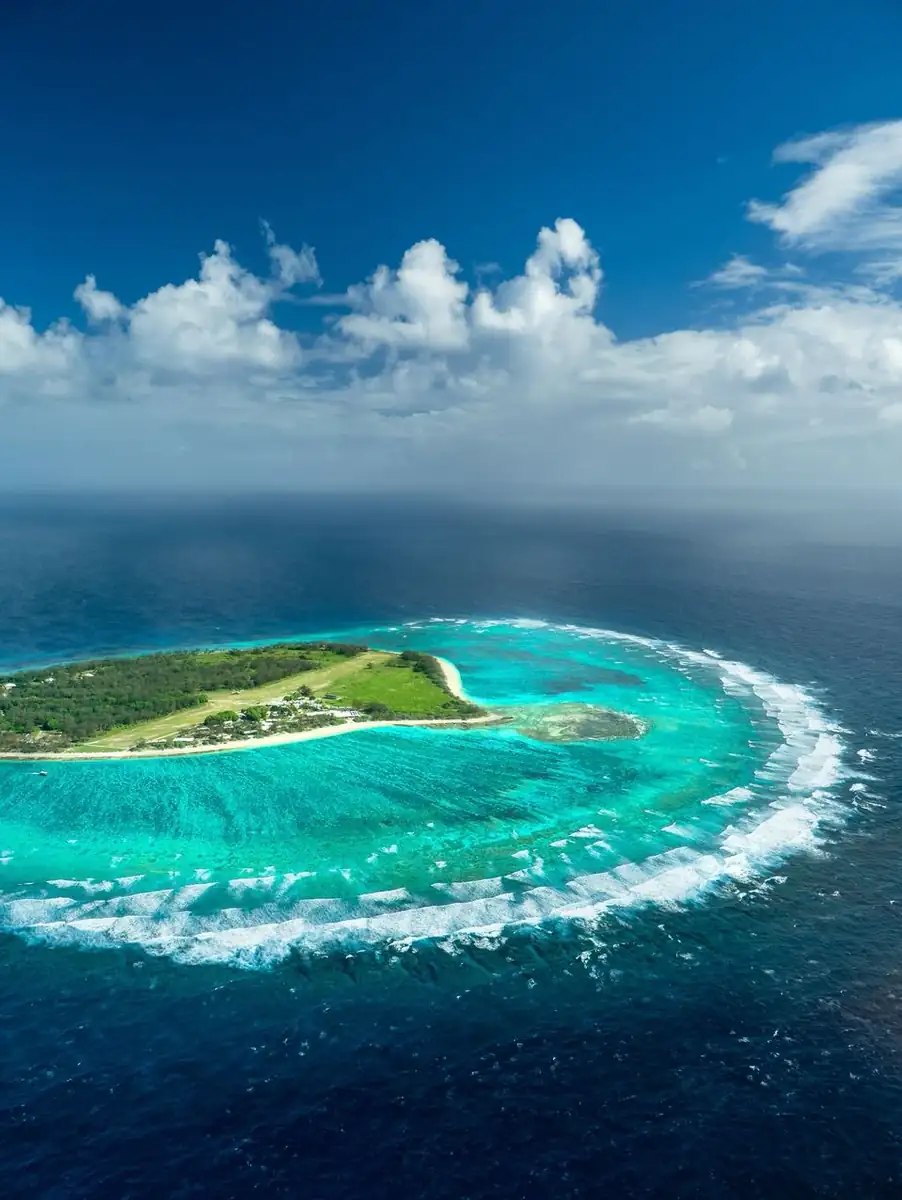
Lady Elliot Island is plonked right at the southern tip of the Great Barrier Reef, about 80km off Bundaberg. It’s a tiny coral cay – roughly 45 hectares – with a coral reef system that wraps around it in every direction, dotted with coral bommies and little sheltered lagoons.
Its position is key – nutrient-rich currents sweep past the reef edge bringing all the good stuff & then the plankton gathers and the mantas follow their predictable migration patterns which are all linked to finding food and getting cleaned – some marine biologists have even been able to identify individual reef manta rays by the unique markings on their gill plates and some of them come back year after year.
One of the main reasons people love coming here is because unlike some of the more remote dive sites like Osprey Reef or some of the international manta hotspots in places like Hanifaru Bay or Raja Ampat you can actually get to Lady Elliot pretty easily – a simple scenic flight from Brisbane, Bundaberg, Hervey Bay or the Gold Coast and youre there – no need for a liveaboard or a week-long commitment – just a short hop over sparkling turquoise water.
And that ease of access is exactly why brands like Great Barrier Reef Tours often include Lady Elliot in their reef itineraries for people who want to see some serious wildlife without all the hassle of planning a big trip.
Seasonal Windows that Help You Catch a Manta Ray
If you’re dead set on swimming alongside a reef manta, not just seeing one from a boat, you need to get your head around the seasonal rhythms.
May to August: The Go-To Time
Water temperature drops to around 20-22 degrees, and suddenly, the place is teeming with plankton. Cleaning stations get a heck of a lot busier.
You’re pretty much guaranteed to see:
- Loads of reef mantas cruising around shallow sites
- Cleaner fish dashing around their mouths and gill plates
- Reef sharks patrolling the area
- Loads of tropical fish like Blue Tangs darting in and out of coral bommies
The visibility’s a lot better in winter, the winds are generally a lot lighter – and it’s a bit fresh, so you’ll want a wetsuit – but you’ll still find loads of mantas hanging around.
If someone asks me when to go for the best chance of a manta encounter, this is always my answer.
September to November: Manta Activity’s Still Hot
Water warms up a bit to 22-24 degrees, but manta sightings still keep up a good pace. And just to make things even more interesting, turtle nesting season starts kicking off on the Coral Cay.
You get to see green turtles and mums hauling themselves up onto the beach to lay eggs – and you can see all the action while still having some decent manta action offshore.
This shoulder season‘s got a nice balance: mantas, turtles, reef sharks and warm (ish) water. Plus its a great time to visit if you want to see some variety.
December to February: Warm But Be Prepared for Some Weather
Water’s at its warmest at 25-27 degrees – but with that comes some pretty high humidity and the risk of summer storms messing up your flights.
Mantas still hang around, but feeding aggregations get a bit more patchy. Around November or December, full moons are when the coral spawning coral snowstorms normally kick off. It’s a total marine biology spectacle – but conditions can be a bit rough.
You might even get lucky and catch a humpback whale migration on one of your scenic flights coming or going – that’s if they’re still passing through around June to October.
March to April: An Under-the-Radar Sweet Spot
These transition months can be a real surprise – the water’s still warm, the crowds are gone, and plankton levels start building up again as the temperatures start to drop.
If you want a good chance at a manta without the peak prices, then this window’s definitely worth a look.
What It Feels Like to Be In The Water
You slip into the lagoon – the surface is as flat as a pancake & the coral bommies stick up from the bottom like some kind of underwater housing estate.
Then a shadow forms.
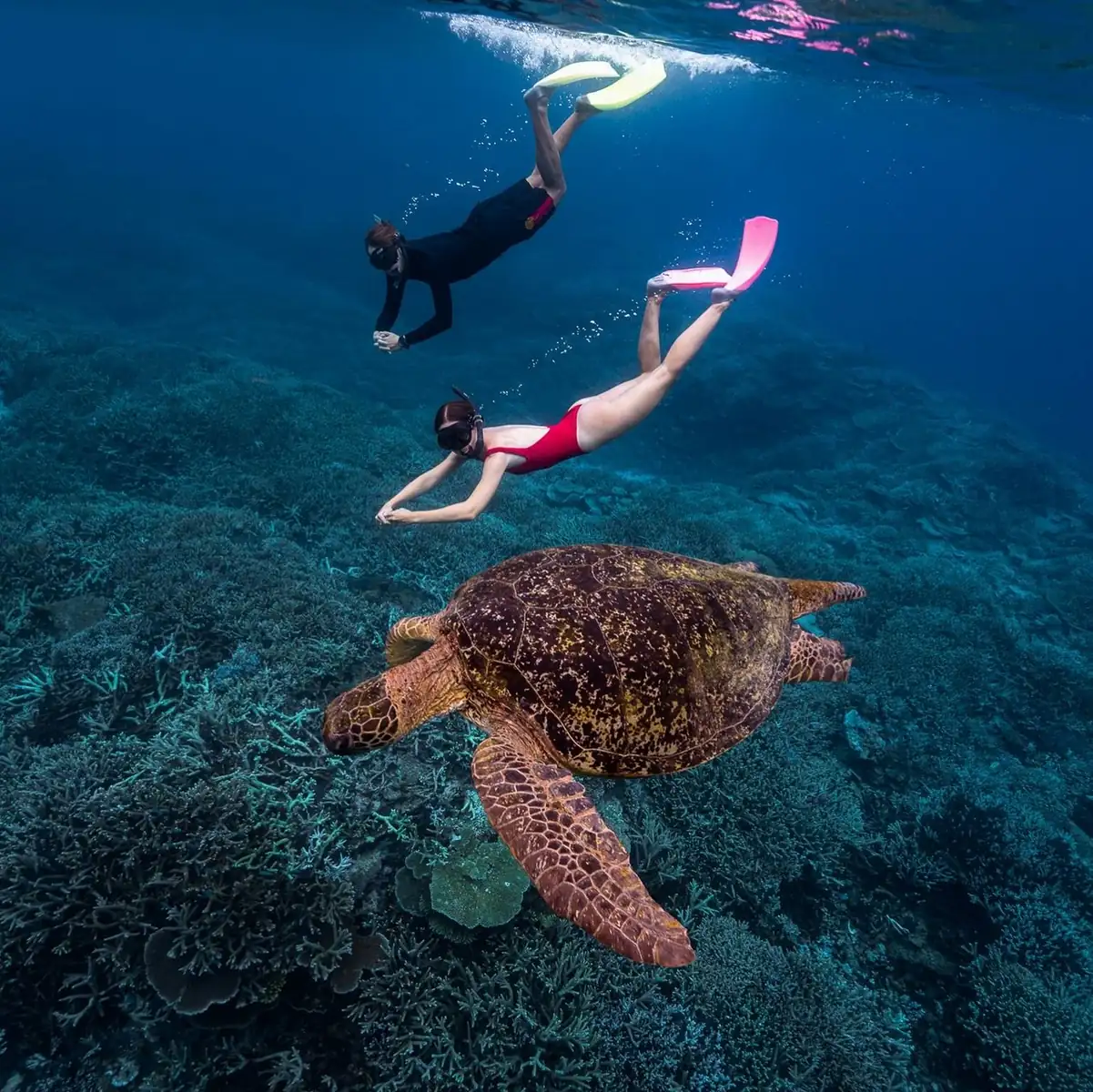
A reef manta ray comes to get cleaned. Slows right down, tilts a bit & the cleaner fish dart in & out around its mouth & gills. The manta just cruises on by, all calm. You stay pretty much still, give it some space, & let the show unfold.
Around you, you see:
- Reef sharks lazing about
- Tropical fish are scattering everywhere
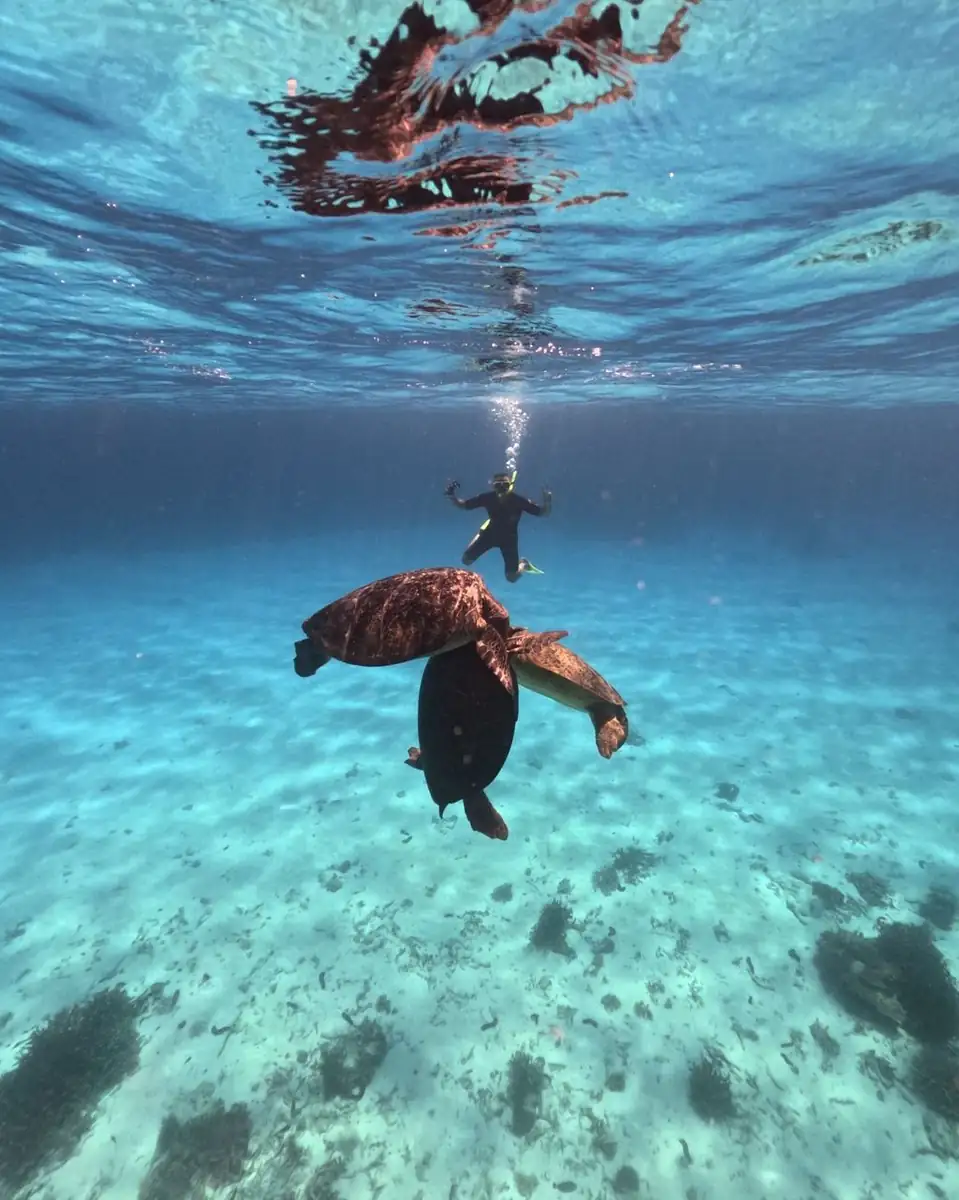
- Green turtles just cruisin’ by
- Cleaner fish flickering like tiny sparks
This is not some staged Shark Tank, you know, it’s just a functioning coral reef that’s been going for millennia.
Snorkelling, Scuba Diving and Night Dives
To be honest, you don’t need a scuba diving certification to see the reef mantas here – in fact, some people reckon the snorkel tours are even better because the cleaning stations are in shallow water – between 3 & 8 meters.
Scuba diving opens up a whole new world, though:
- Deeper dive sites to explore
- The Severance shipwreck
- Night dives where you can get up close & personal with some serious macro photography and nocturnal marine animals to boot
So, if you’re a serious diver, you should really look into that dive insurance before heading off. The local dive shop on the island runs guided dive trips daily, and they’re a great bunch of people to go with. Plus, if you’re into underwater photography, the winter weeks are great for getting some wide-angle shots of the reef mantas, and if you’re into macro photography, the night dives are a real treat.
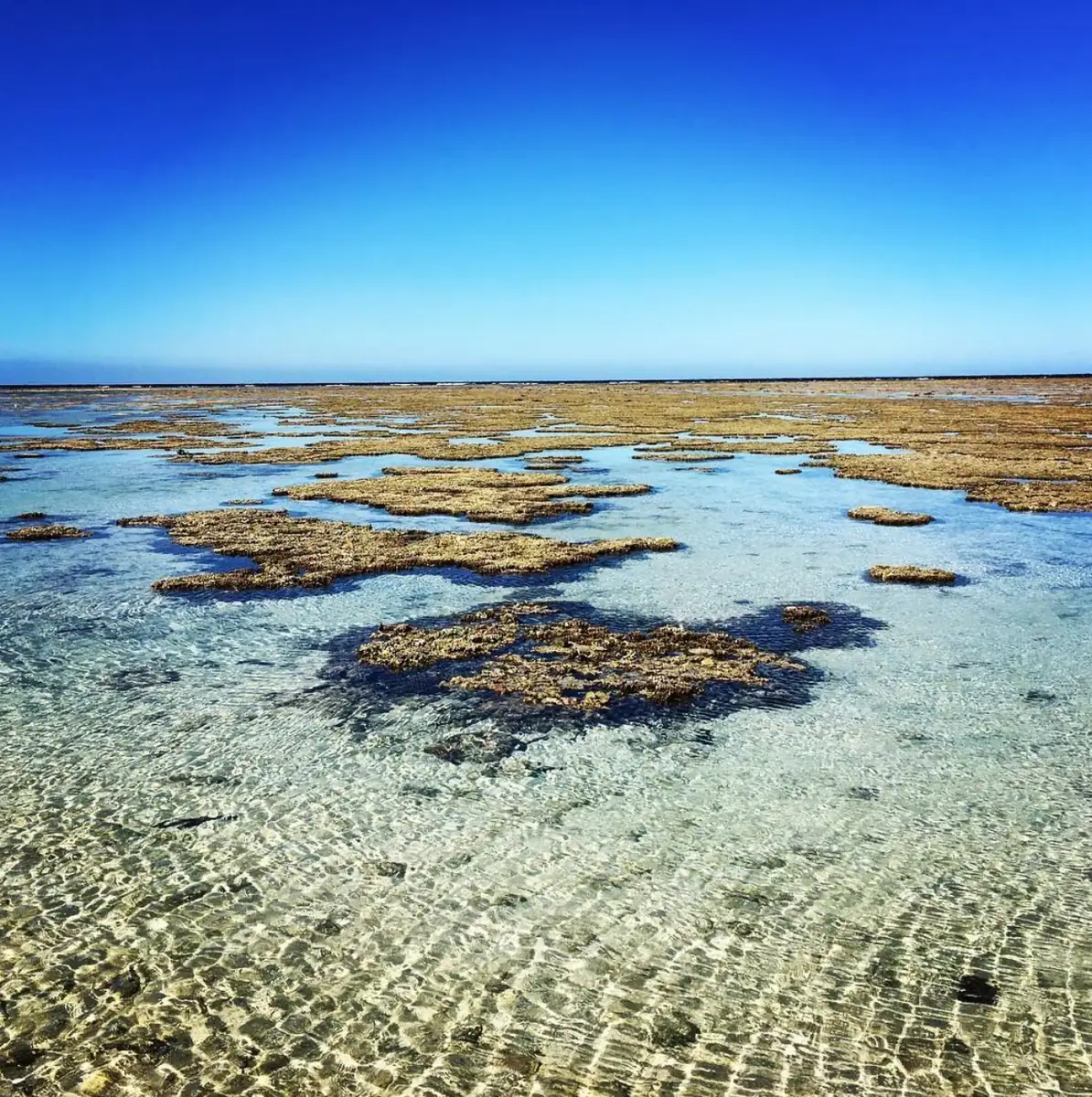
If you don’t want to get wet at all, glass bottom boat tours are a great way to still see the action, and at low tide, you can do a reef walking tour, which lets you really get up close to the coral – just remember to wear some reef shoes to protect your feet & the reef.
Staying On The Island: Practical, Not Flashy
Lady Elliot’s not all about luxury & high-end glamour – it’s practical, eco-focused and all that jazz.
Accommodation-wise, you’ve got:
- Eco cabins
- Beachfront units
- Reef units – wherever you stay, you’re pretty much guaranteed to have an ocean view!
There’s a little saltwater pool near the eating area, but to be honest, you won’t have time for that once you’ve seen the lagoon.
The island runs almost entirely on solar power & they’re super committed to marine conservation – they even support reef monitoring, revegetation projects and all that good stuff. It’s not just marketing fluff; they really do walk the walk.
The grub’s all about keeping it simple – buffet-style meals with an increasing focus on sustainable seafood.
The Unpredictable Delights of Lady Elliot
This stunning coral reef system has no shortage of surprises in store for you.
Expect to see:
- The occasional reef sharks sneaking through the shadows
- A steady supply of Green turtles is making their way along the reef
- Blue Tangs strutting their stuff among the coral formations
- Schools of tropical fish darting about in every direction
- And yes, the occasional oceanic manta ray popping up in the deeper waters – although these days we tend to see the reef mantas more often.
Reef mantas are the local residents, while oceanic manta rays and the occasional giant oceanic manta rays turn up in those deeper offshore zones – less common but always a possibility when they’re migrating.
The Great Barrier Reef, where Lady Elliot is nestled, stretches an enormous 2,300 kilometres and includes a staggering 3,000 individual reefs – it’s no wonder ours tends to avoid some of the worst coral bleaching we see further north, although we still keep a close eye on conservation efforts.
What Sets This Southern Reef Stay Apart From The Rest
Of course, everyone compares Lady Elliot with Heron Island – Heron’s got some great wildlife watching and diving, but to be honest, its manta sightings aren’t quite as reliable.
If you’ve got your heart set on Raja Ampat and Hanifaru Bay, these manta hotspots are world-class – but they’re a real trip both in distance and time commitment.
If you’re an Aussie, though, Lady Elliot delivers those manta sightings reliably, without having to leave home waters.
If you’re in the region, you could easily combine Lady Elliot with a Remote K’gari and Whale Experience Tour for a real adventure – or try adding the Fraser Coast whale watching experience to your Great Barrier Reef Tour and make it a real highlight of your Queensland journey.
Why Luck Can Play a Part
Even in peak season, your chances of seeing mantas depend on a few things:
- Tides: The incoming tides always bring in a fresh crop of plankton
- Wind: too much wind and you’re not going to get a great view
- Time in Water: the more days you spend hanging out, the better your chances
Personally, I always say 3 nights is the minimum – 2 will do in a pinch, but 4 gives you the best odds.
You see, mantas are pretty intelligent creatures, with one of the highest brain-to-body ratios in the fish world. They’re good at reading swimmers, so keep it slow and easy, avoid blocking their path and let them get on with their day. Respect their cleaning stations too – only the ocean knows what’s going on there.
Responsible Interactions with Mantas
Do be aware that mantas are actually protected by Queensland law, so it’s worth keeping this in mind when interacting with them. The best way to do this is by following some basic marine conservation guidelines:
- Make sure to keep at least 3 metres of distance between yourself and these magnificent creatures
- Never go chasing after them – that can be pretty stressful for the poor things
- When interacting with them in the water, try to stay nice and horizontal – that makes life a whole lot easier for everyone
- And if you’re planning on taking some underwater snaps, try to avoid using any flash – that can be pretty harsh on their sensitive eyes
By keeping tourism sustainable, we can protect the reef and the experience for future ocean lovers.
Travel Tips & Tricks
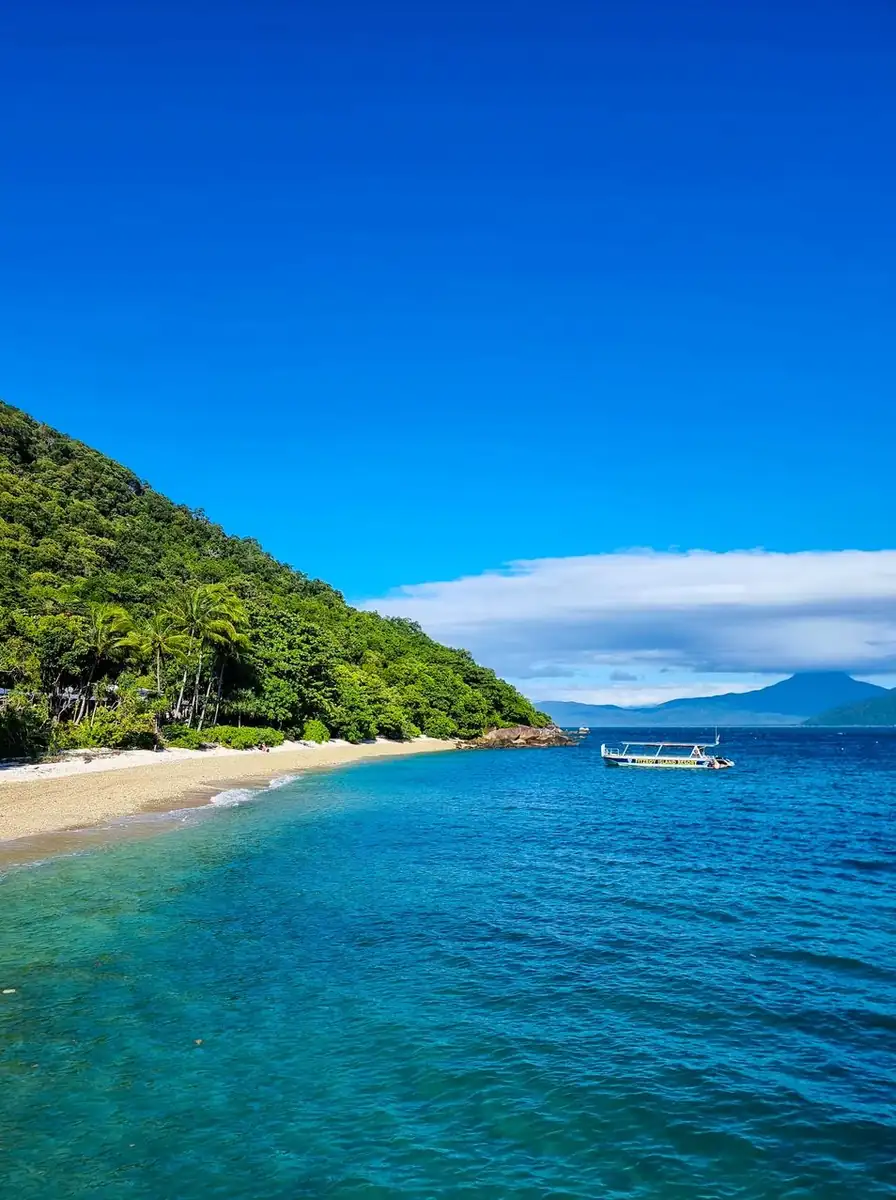
Flights from Bundaberg, Brisbane and the Gold Coast will get you to Lady Elliot on a scenic flight – small plane, so be aware that there’s luggage limits so try pack lightly.
Here are some essentials you really should bring along:
- good reef shoes that can withstand the rough stuff
- reef-safe sunscreen to keep the chemicals out of the marine life
- a light jacket if you’re heading out in winter for the flight (it can get chilly in the air)
- if you’re the photography type, then bring along your underwater gear
- and refillable water bottles are a must because you don’t want to be adding to the plastic waste
If you’re planning a bigger Queensland road trip, then pairing Lady Elliot with a Remote K’gari and Whale Experience Tour will get you a double dose of reef and coastal wildlife – win-win!
Plan Your Visit with a Purpose, Not Guesswork
Lady Elliot Island is a coral cay absolutely made for swimming with reef mantas in the southern Great Barrier Reef – their behaviour’s pretty predictable here.
If you’re dead set on swimming alongside those incredible creatures in crystal-clear water, winter is when your chances are highest. But let’s be real, though – the shoulder seasons offer a pretty good balance. And as for summer – well, it’s warm, but the weather can be a bit dodgy.
Work out your trip around the seasonal patterns of the reef. Be kind to the marine life, and support conservation efforts while you’re here.
And if you need some help figuring out how to book your flights and reef stays and all that jazz, or want to make sure you catch the magic of a Remote K’gari and Whale Experience Tour at the right time, get in touch. I’d rather see you plan it right than miss out entirely because you came a month too early.
FAQ
What’s the best time to see loads of mantas?
To be honest, late autumn through winter – especially May to August – is when you’re most likely to see them all gathered in one place because of the plankton.
Do you need scuba gear to see them?
Nope, snorkelling actually works really well because many of the places they hang out are nice and shallow.
Are oceanic mantas common here?
Actually, it’s the reef mantas that live around here full time. But occasionally, you might catch a glimpse of oceanic mantas or even the giant oceanics in the deeper waters off the coast.
Can you do manta spotting and whale watching at the same time?
You can – humpback whales migrate up and down Queensland’s coast between June and October, and you can even find tour operators that combine reef stays with whale-watching trips.
How long should you stay?
At the very least, try to stay for two nights – but if you can manage three to four, that’s even better, just in case the weather or tides get in the way.